Copenhagen History Walking Tour – Walk Through the City’s Past
Introduction
Copenhagen is a city shaped by centuries of history. From its origins as a small trading settlement to its role as the capital of Denmark, the city’s past is visible in its streets, buildings, and public spaces. Exploring Copenhagen on foot allows visitors to experience this history in a direct and meaningful way.
A history-focused walking tour offers insight into how the city developed, how power and culture shaped its growth, and how historical events continue to influence modern Copenhagen.
Copenhagen’s Early Beginnings
Copenhagen began as a modest harbor settlement in the Middle Ages. Its strategic location along key trade routes allowed it to grow into an important commercial center. Early fortifications, markets, and ports formed the foundation of what would later become Denmark’s capital.
Walking through the historic center today, traces of this early development can still be found in street layouts and architectural details.
The Role of Kings and Royal Power
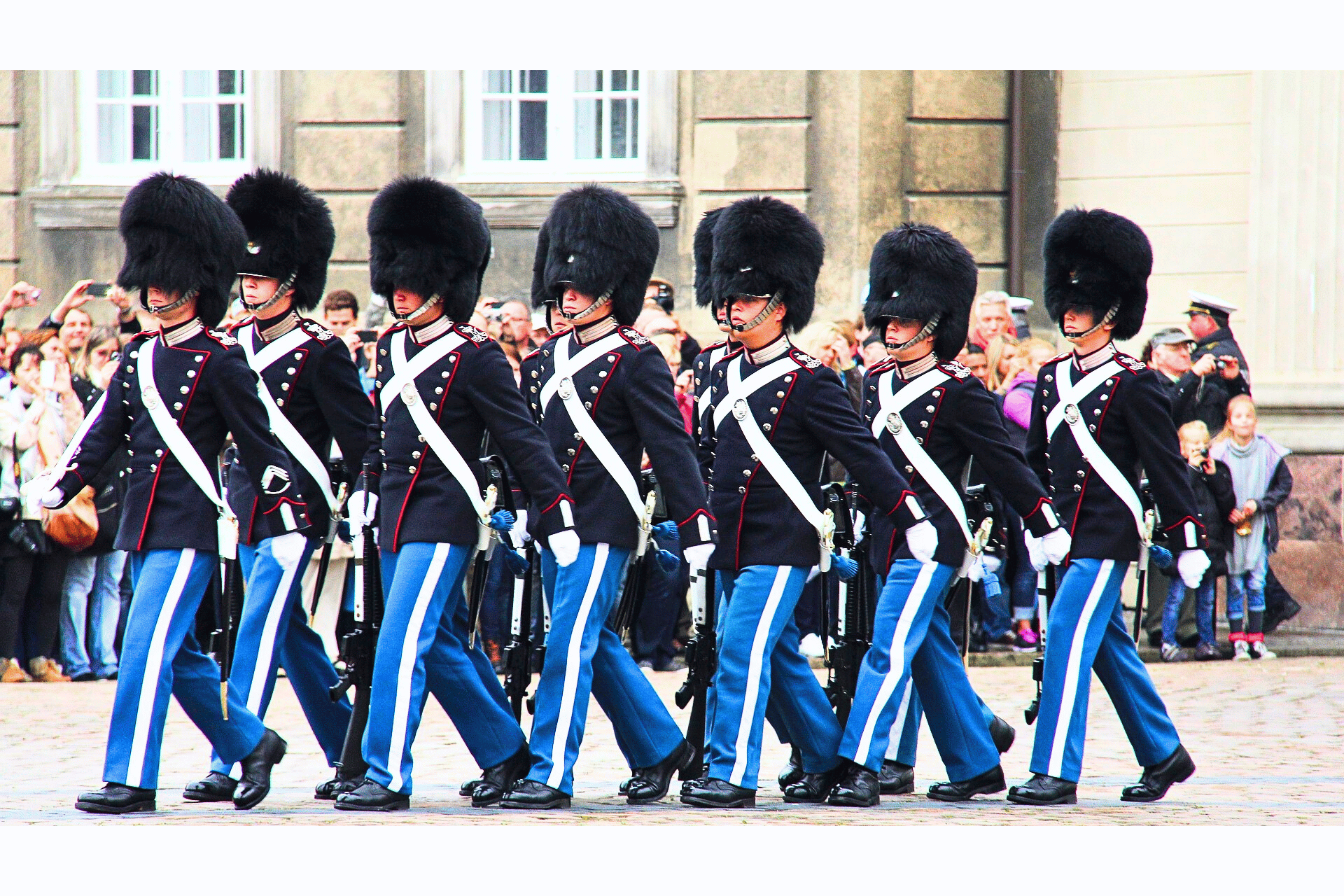
Royal influence played a major role in Copenhagen’s expansion. Castles, palaces, and administrative buildings reflect periods of strong centralized power. Over time, these royal sites became focal points for political life and urban development.
A historical walking route often passes areas connected to royal history, helping visitors understand how governance and monarchy shaped the city.
From Fortified City to Open Capital
For centuries, Copenhagen was a fortified city, surrounded by walls and defensive structures. As these fortifications became obsolete, the city expanded outward. Former military areas were transformed into neighborhoods, parks, and cultural districts.
Walking through these areas highlights the transition from a closed medieval city to an open, modern capital.
Architecture as a Historical Record
Copenhagen’s architecture reflects different historical periods. Medieval buildings, Renaissance influences, and modern urban planning coexist within a relatively compact area. This architectural diversity tells the story of economic growth, political change, and cultural shifts.
On a walking tour, architecture becomes a guide to understanding how the city evolved over time.
Everyday Life in Historical Copenhagen
History is not only found in grand buildings but also in everyday life. Markets, public squares, and residential streets reveal how ordinary people lived, worked, and interacted throughout different periods.
Walking tours focused on history often include these aspects, offering a more complete picture of Copenhagen’s past.
Why Walking Is the Best Way to Learn History
Learning history while walking through the actual locations where events took place creates a stronger connection than reading about them. Walking allows time for reflection and observation, making historical information easier to understand and remember.
It also encourages questions and discussion, turning history into a living narrative rather than a list of dates.
Connecting Past and Present
Modern Copenhagen is deeply connected to its history. Decisions made centuries ago still influence urban planning, social structures, and cultural identity. A history walking tour helps visitors see how the past and present are linked.
Understanding this connection enriches the experience of the city as a whole.
Conclusion
A Copenhagen history walking tour provides valuable insight into the city’s development and character. By exploring the city on foot, visitors gain a deeper understanding of how Copenhagen became what it is today.
Walking through history offers context, perspective, and a more meaningful connection to the city.